Amsterdam Chemistry Innovation Day (ACID) 2026: Connecting Science, Industry, and Talent
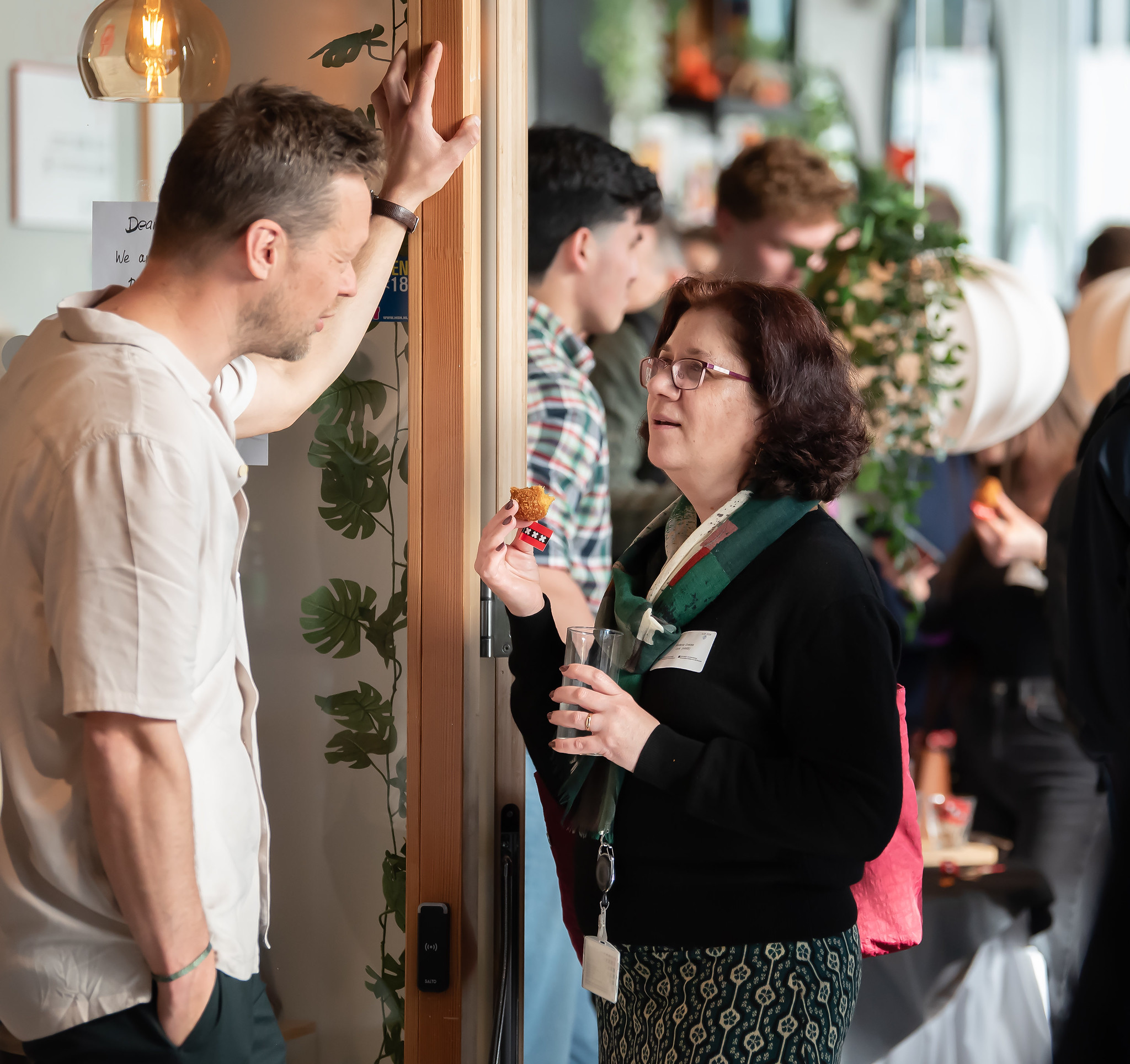
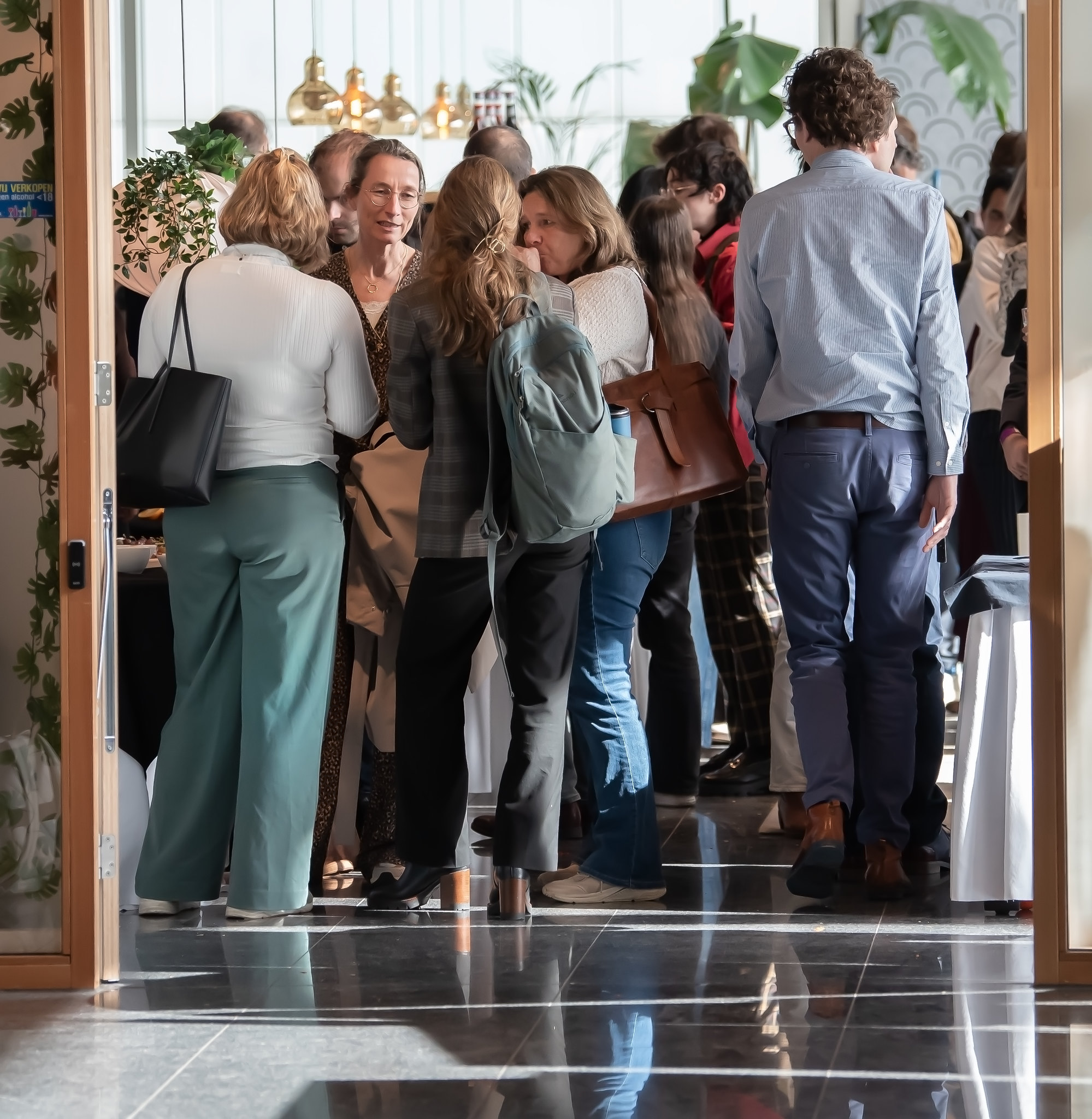
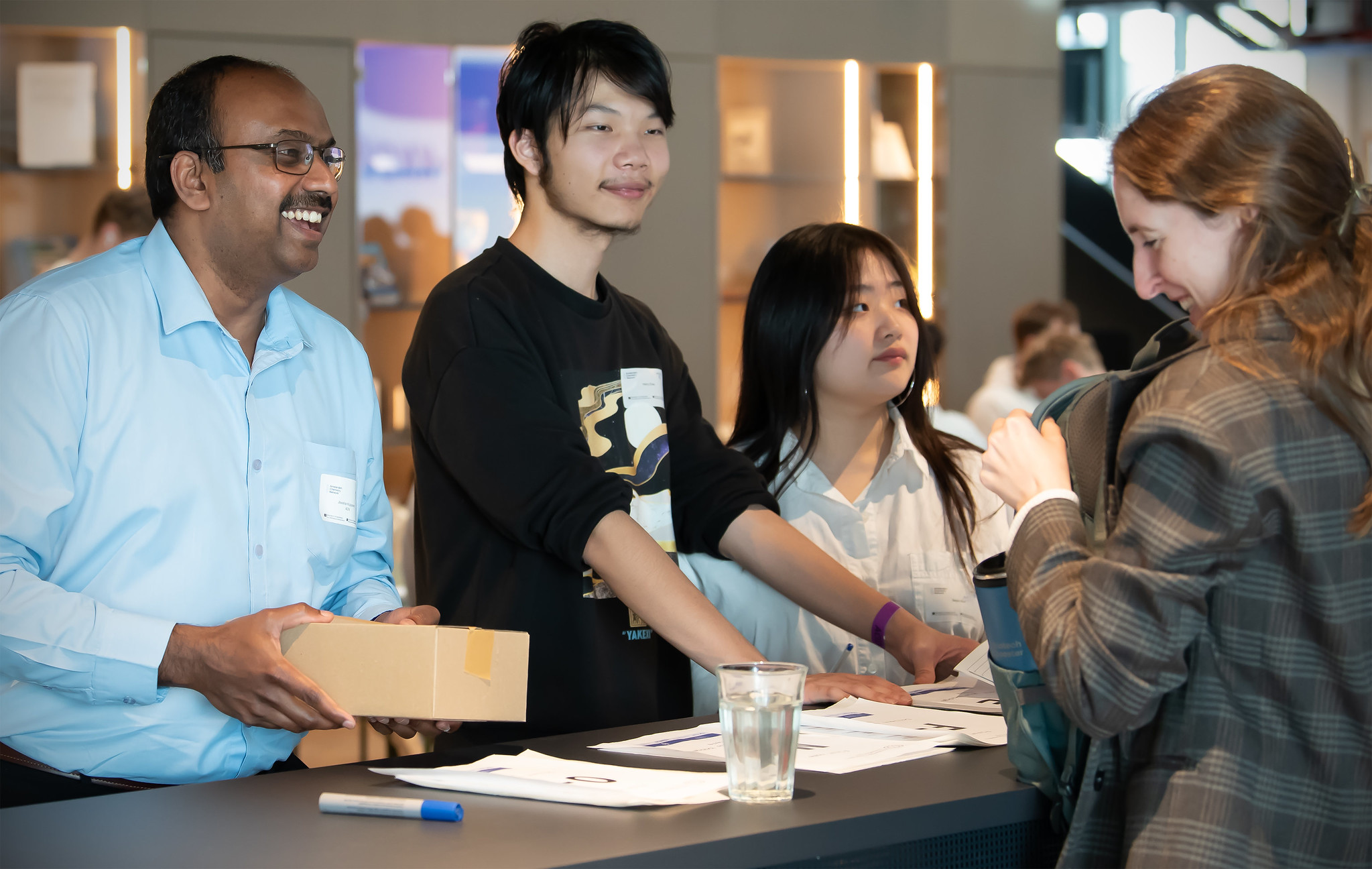
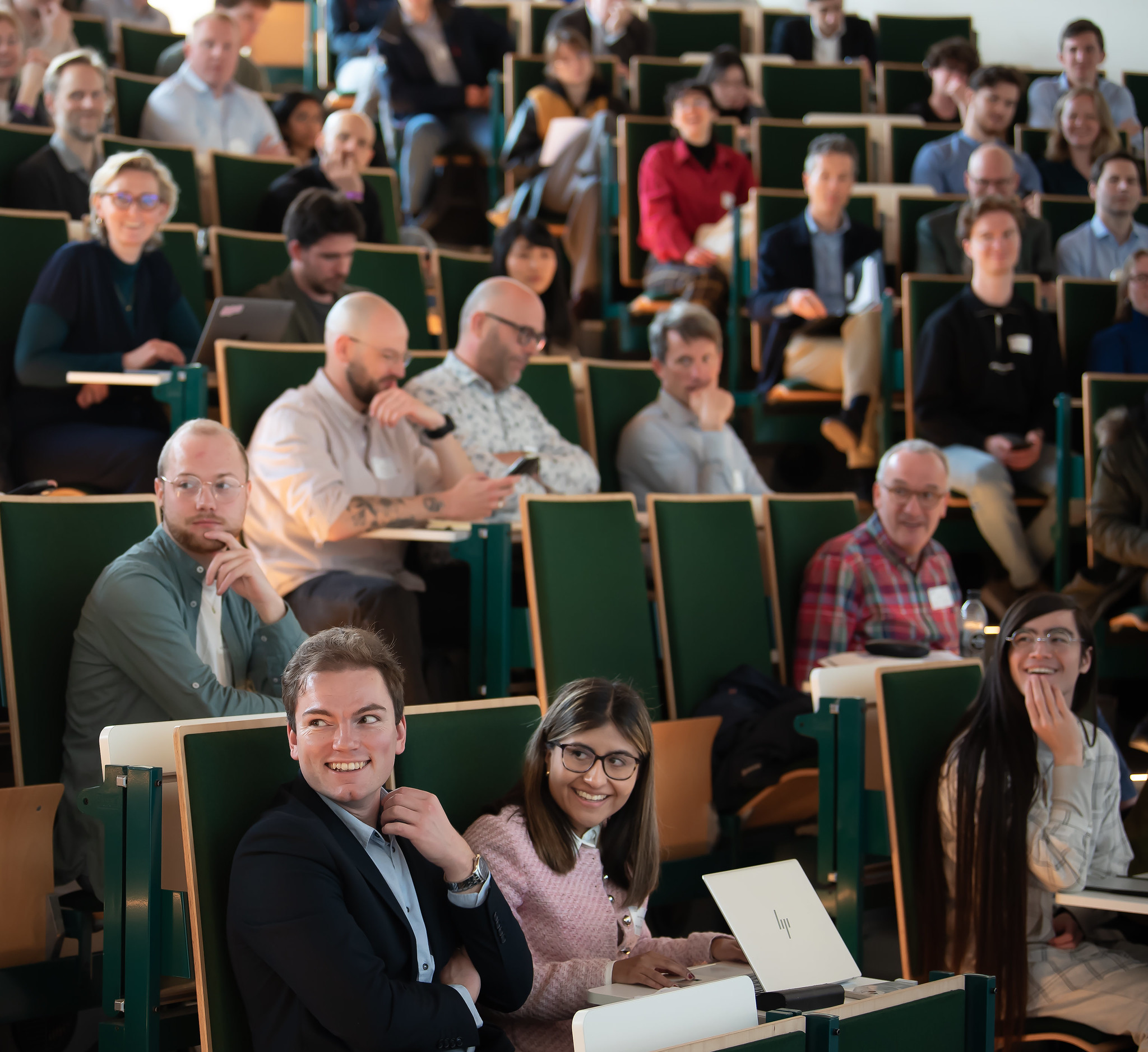
The Amsterdam Chemistry Innovation Day, held on April 10 at Lab42 in Amsterdam Science Park, was a strong success, bringing together more than 300 attendees over the course of the day. The event created a dynamic space where science met industry and talent met companies, fostering meaningful connections across research, innovation, and recruitment. Throughout the program, participants engaged in discussions, presentations, and networking opportunities that highlighted the strength and diversity of the chemistry ecosystem in Amsterdam and beyond.
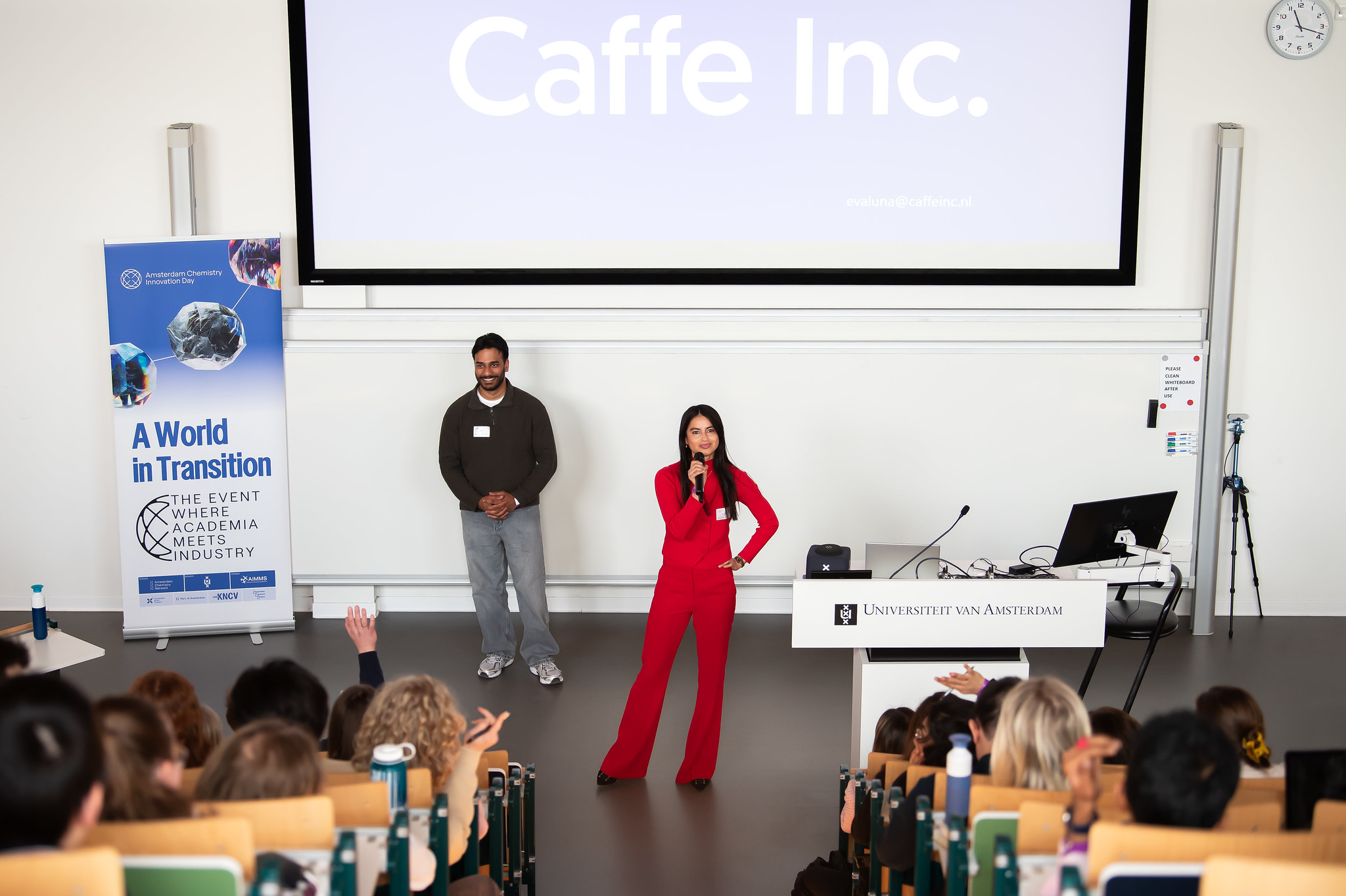
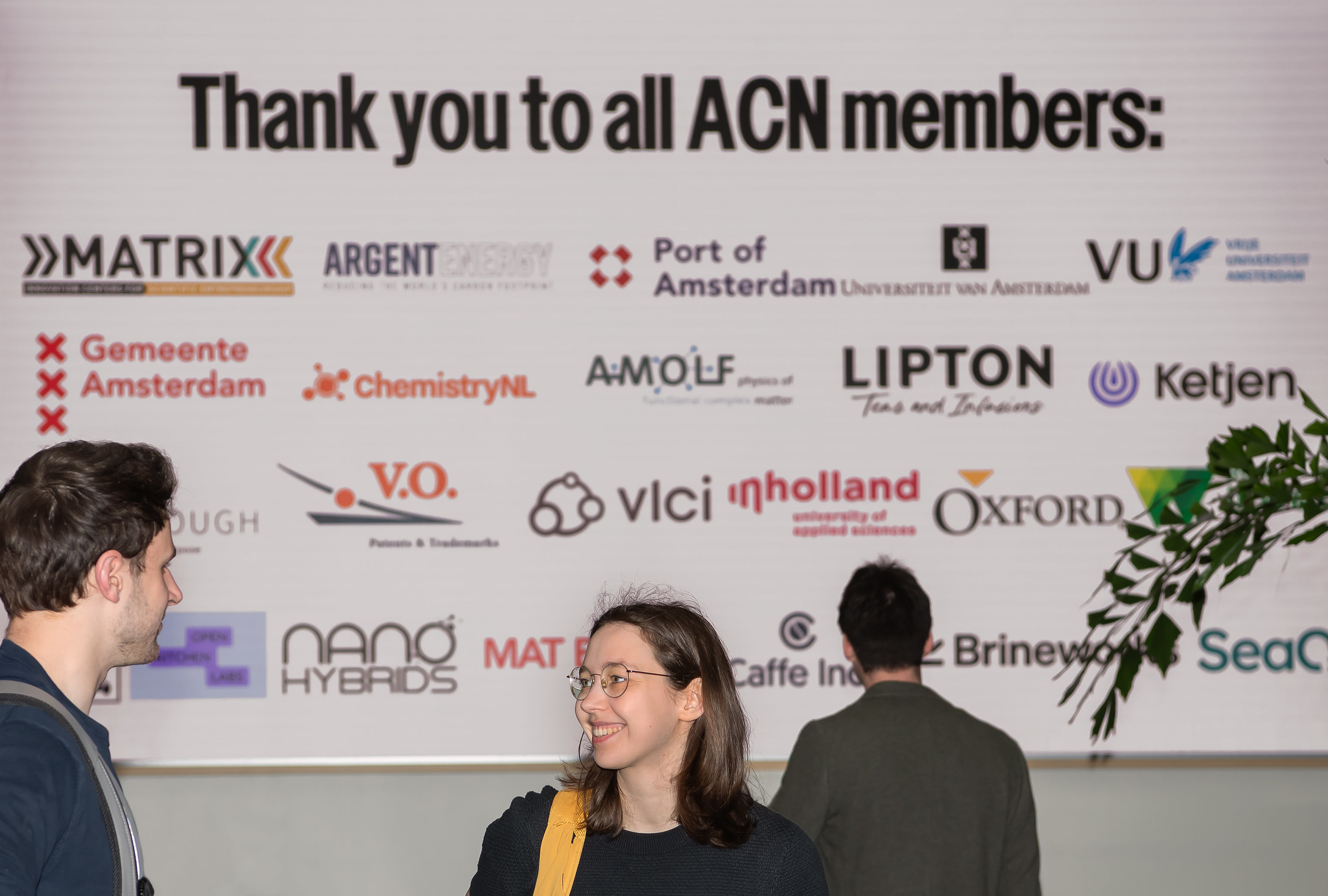
A wide range of companies took part in the company market, showcasing their innovations and engaging directly with attendees. Participating organizations had the opportunity to pitch their technologies to an audience of students, researchers, and professionals, creating valuable exposure and sparking new collaborations. The diversity of solutions presented highlighted the breadth of innovation within the chemistry sector. Among the participating organizations were: Caffe Inc., AkzoNobel, SeaO2, Nucleate, Chaincraft, Oxford Global Resources, Young GroenevermogenNL, Lipton, TNO, Da Vinci Laboratory Solutions, Brineworks, V.O. Patent Attorney, KNCV, Nano-Hybrids, Ketjen, Sustanix, Veridis, Vooruit, and Seaborough.
Keynotes
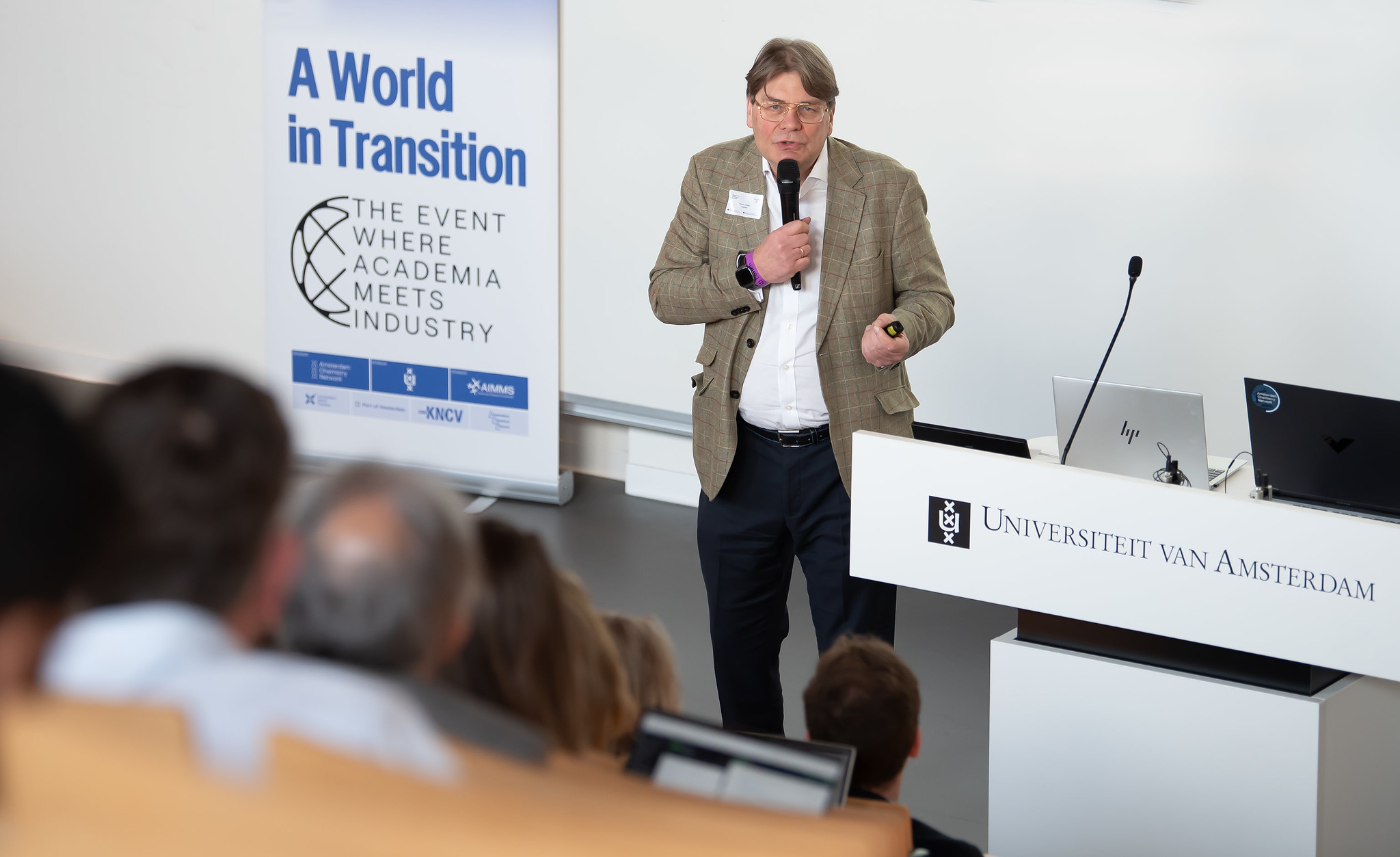
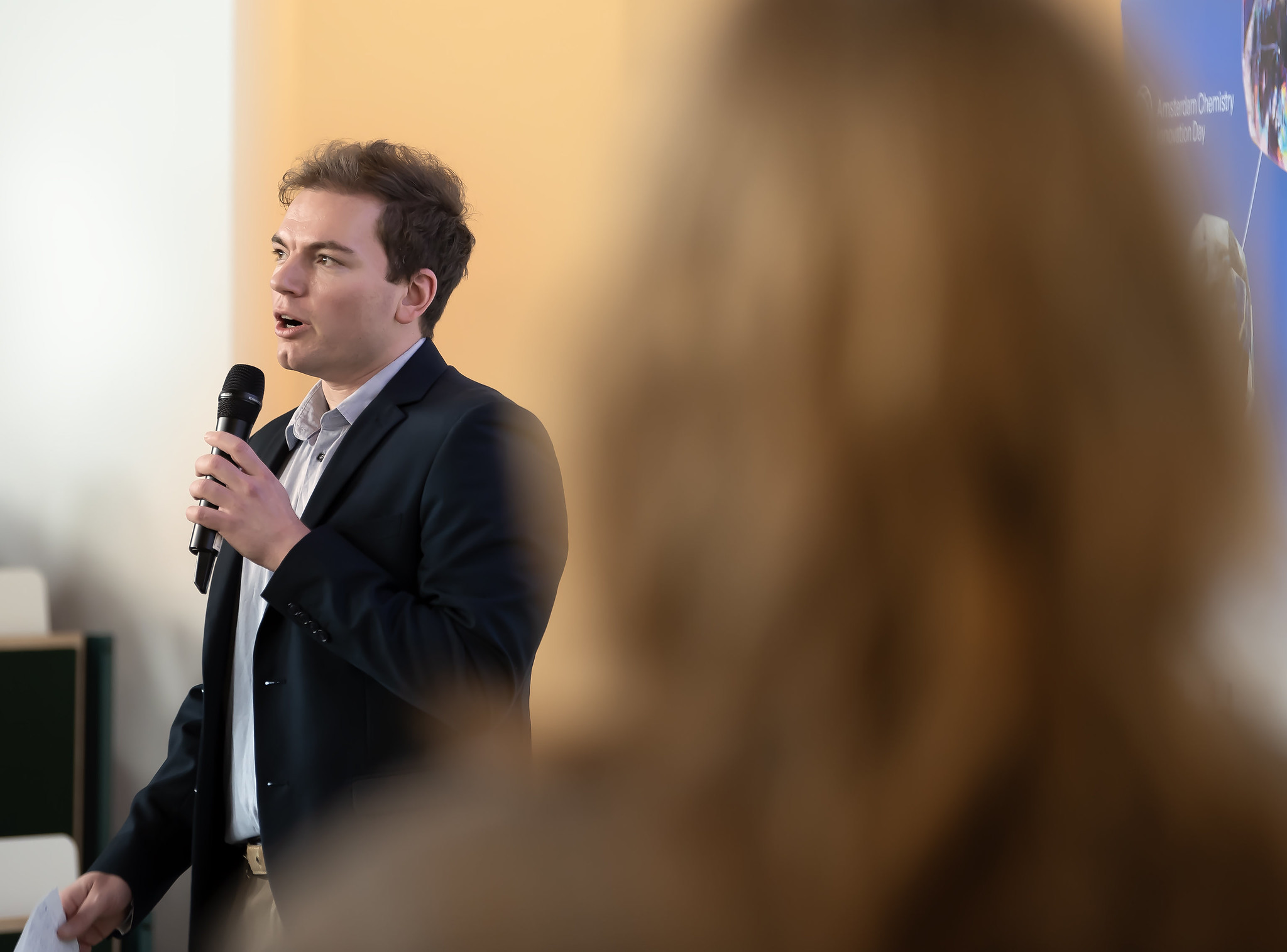
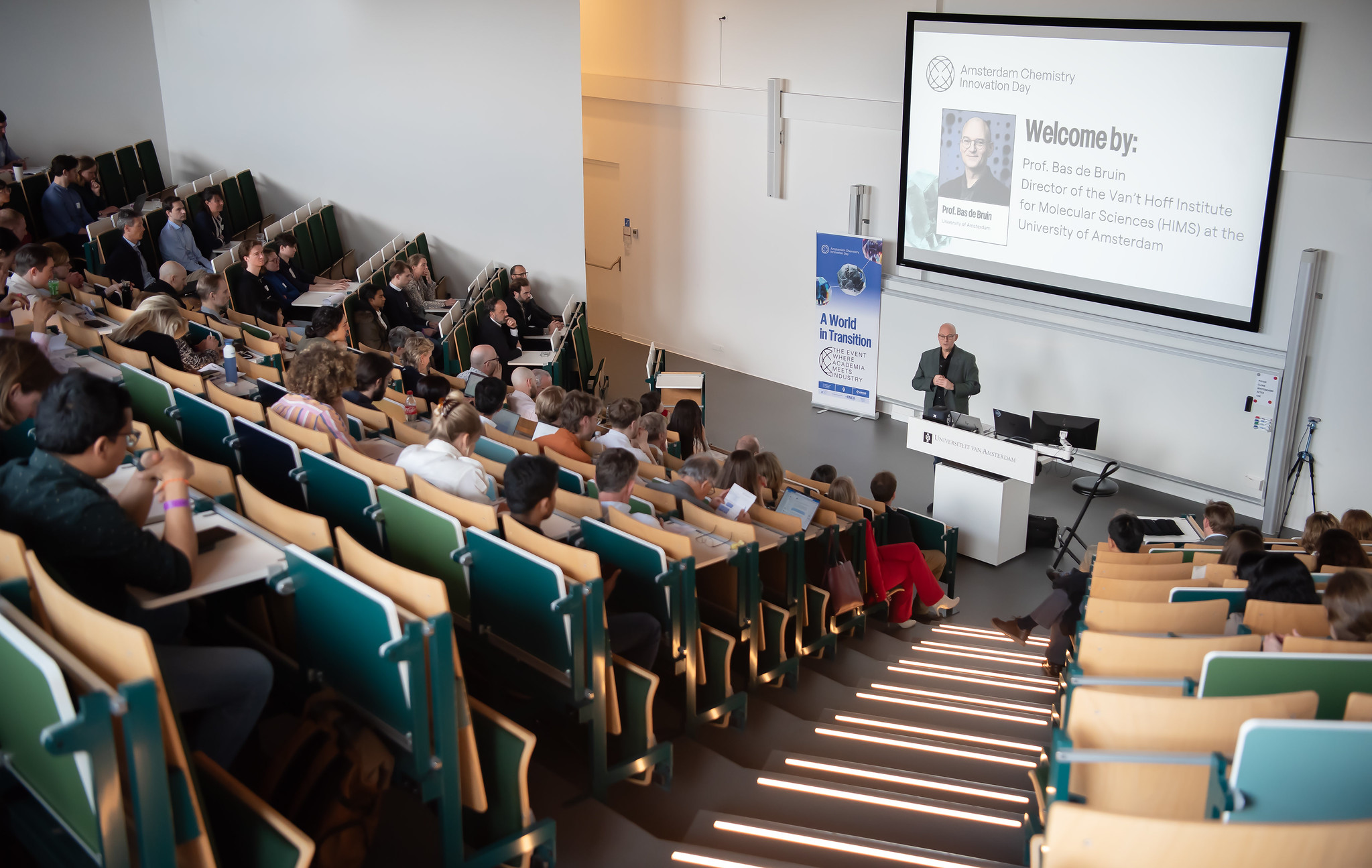
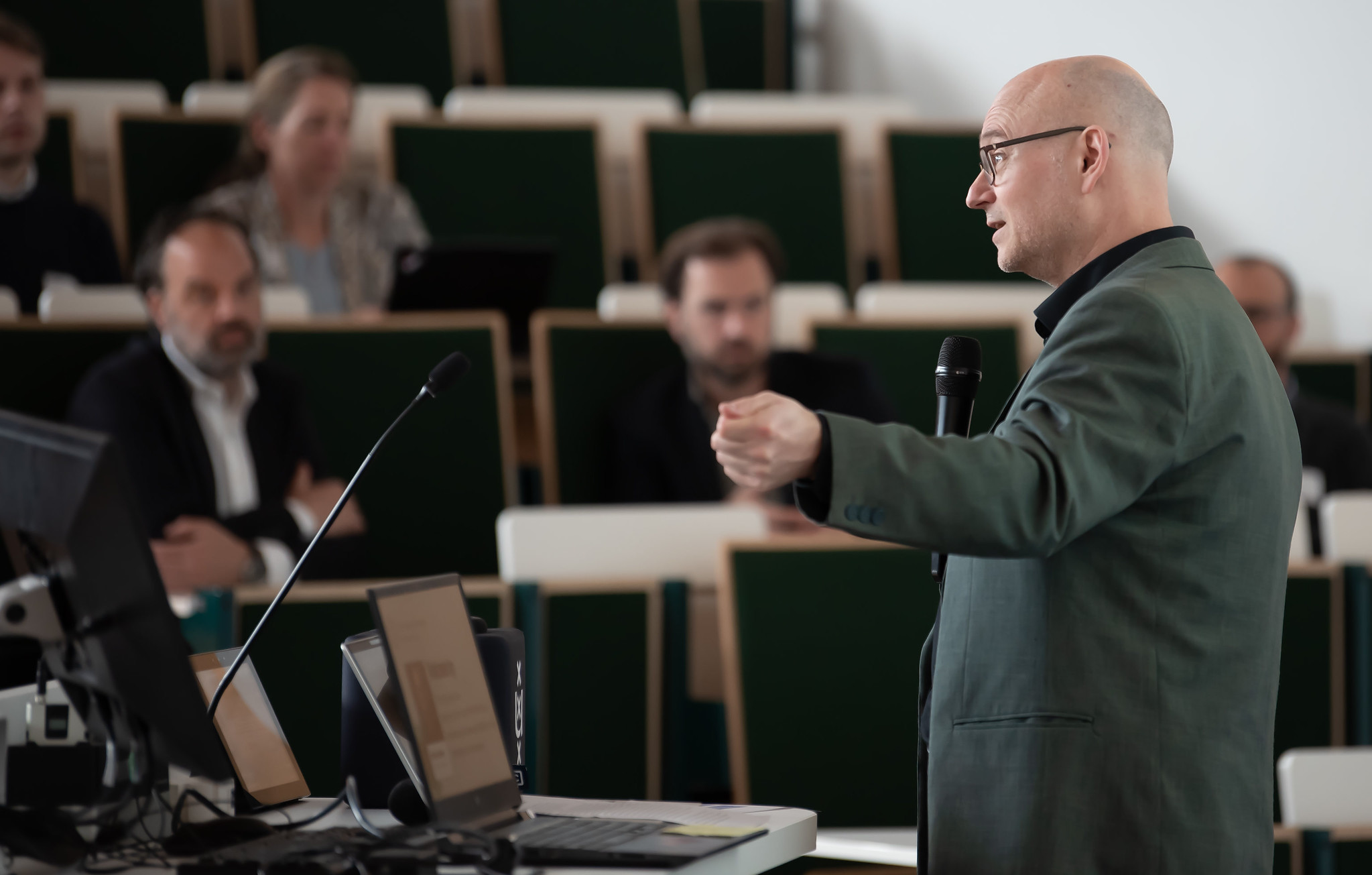
Following the lunch break, the keynote session set the tone for an inspiring afternoon, opening with remarks from Prof. Bas de Bruin, Director of Van 't Hoff Institute for Molecular Sciences (HIMS). He welcomed attendees and reflected on the importance of collaboration between academia and industry, highlighting how initiatives like this event help drive innovation and strengthen the chemistry community.
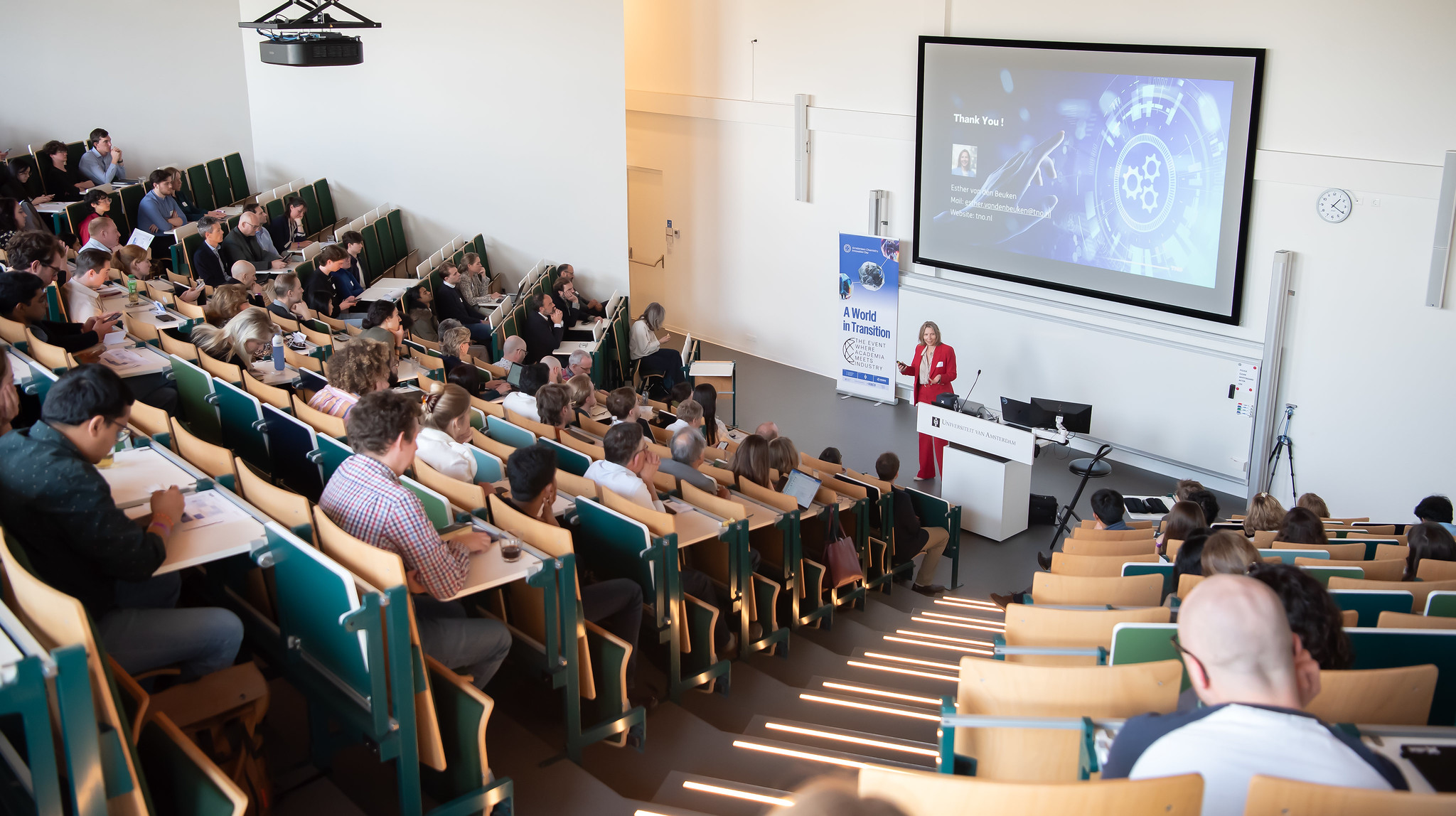
Dr. Esther van den Beuken – TNO
The first keynote was delivered by Dr. Esther van den Beuken from TNO, who offered a compelling perspective on the transition in feedstocks for the chemical industry. She outlined how recycling and alternative carbon sources are reshaping the sector, highlighting technologies under development at TNO that convert plastic waste, biomass, and CO₂ into competitive plastics, chemicals, and fuels. With scale-up readiness, existing value chains, and increasingly viable economics, her message was clear: circular carbon is not a future ambition, it is already a reality.
Dr. Marco Waas – NOBIAN
The second keynote was delivered by Dr. Marco Waas from Nobian, who explored what it truly takes to translate climate ambitions into practice at industrial scale. He provided a clear policy perspective while illustrating how large chemical companies can actively contribute to achieving climate targets. Highlighting initiatives within Nobian, he pointed to collaborations with startups developing battery solutions based on lithium chemistry. His key message emphasized that established industry is not an obstacle, but a vital part of the solution, especially when working in close partnership with startups and research institutions.
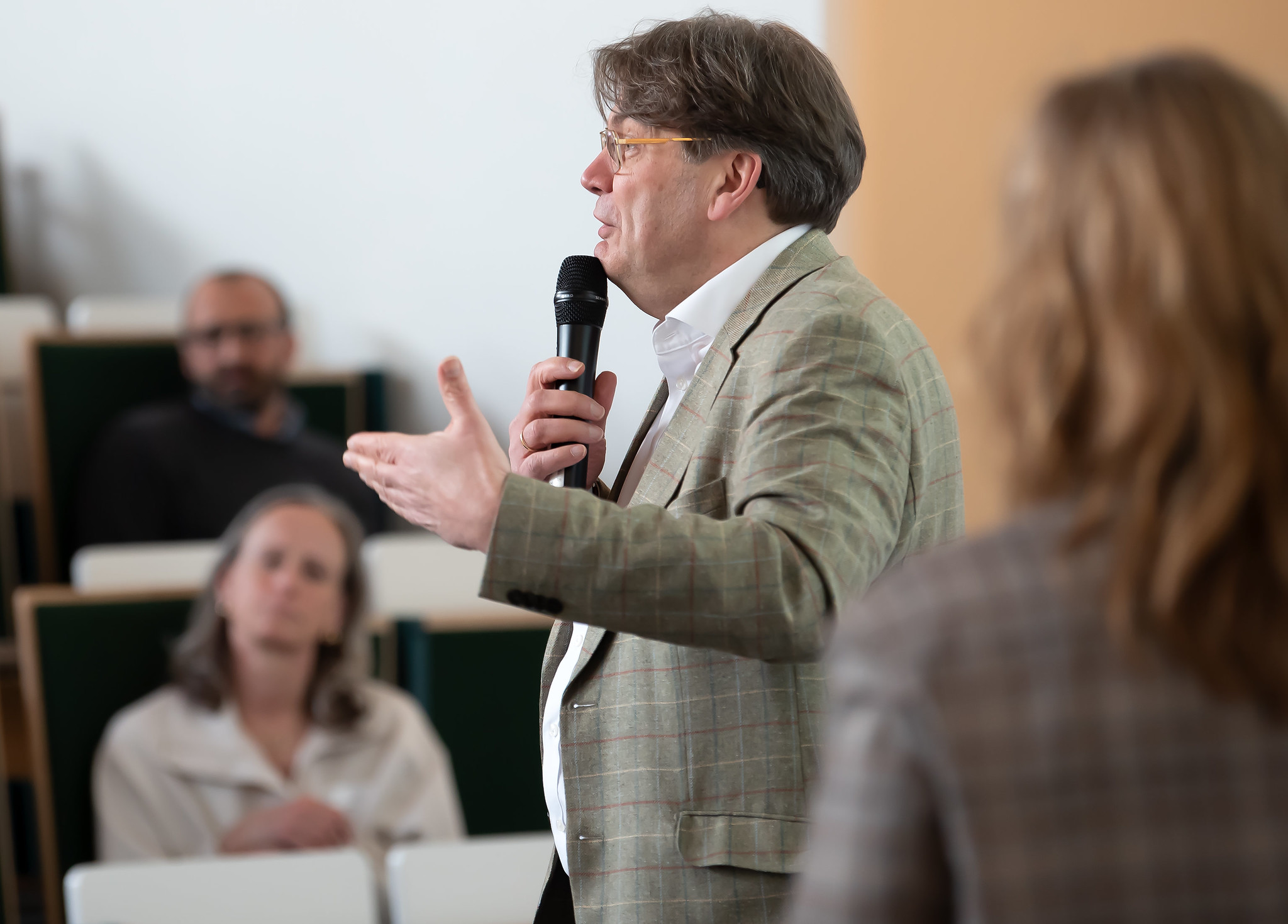
Dr. Filipe Branco dos Santos - UvA
We kicked off the life sciences program with a fascinating keynote by Dr. Filipe Branco dos Santos (UvA Swammerdam Institute for Life Sciences) on engineering microbes for industrial applications. From genetic modification of metabolic pathways to producing compounds like mannitol directly from CO₂, the talk showcased the potential of microbial biotechnology. Advancing scalable solutions will be key to enabling sustainable production of bio-derived molecules.
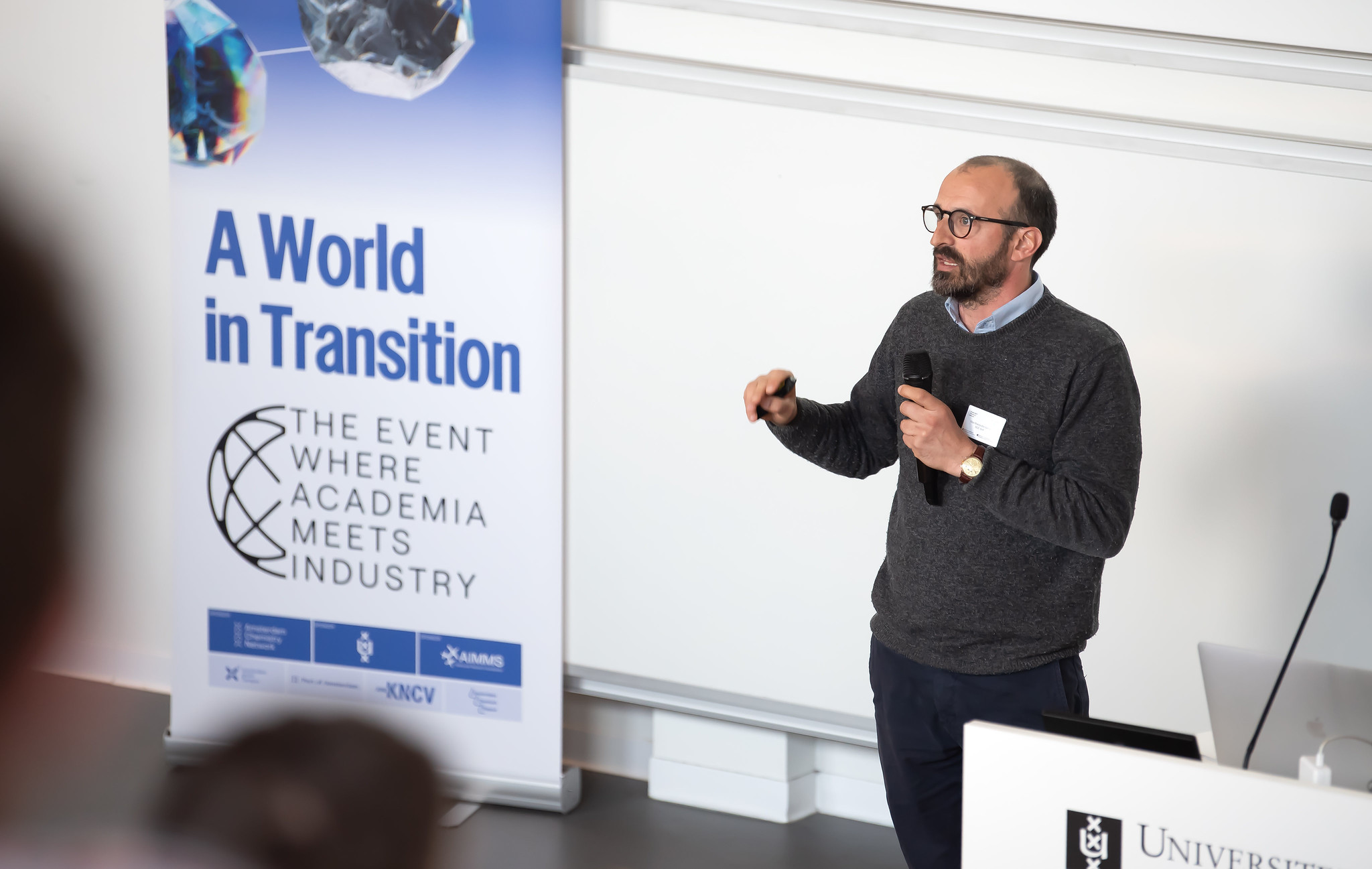
Scaling Circular Chemistry: From Pilots to Infrastructure, Policy & Industrial Reality
A parallel session on Scaling Circular Chemistry, sparked by the research on Circular Failure by MNEXT, brought together diverse perspectives from across the ecosystem. Moderated by Nicole van Klaveren on behalf of Groene Chemie Nieuwe Economie and TNO, the discussion featured contributions from Nobian, Port of Amsterdam, Avans University of Applied Sciences, and DOPS Recycling Technologies.
A central theme quickly emerged: there is no “I” in scaling a circular industry. Start-ups bring breakthrough technologies and agility, while corporates provide the scale, infrastructure, and market access needed to createreal impact—progress depends on combining these strengths. At the same time, the discussion acknowledged a growing tension: while established chemical companies face increasing pressure, new players are advancing sustainable alternatives, often relying on those same corporates as partners or off-takers. The conclusion was clear—young and established players cannot move forward without each other, but meaningful collaboration requires active effort, long-term support, and continuous investment to succeed.
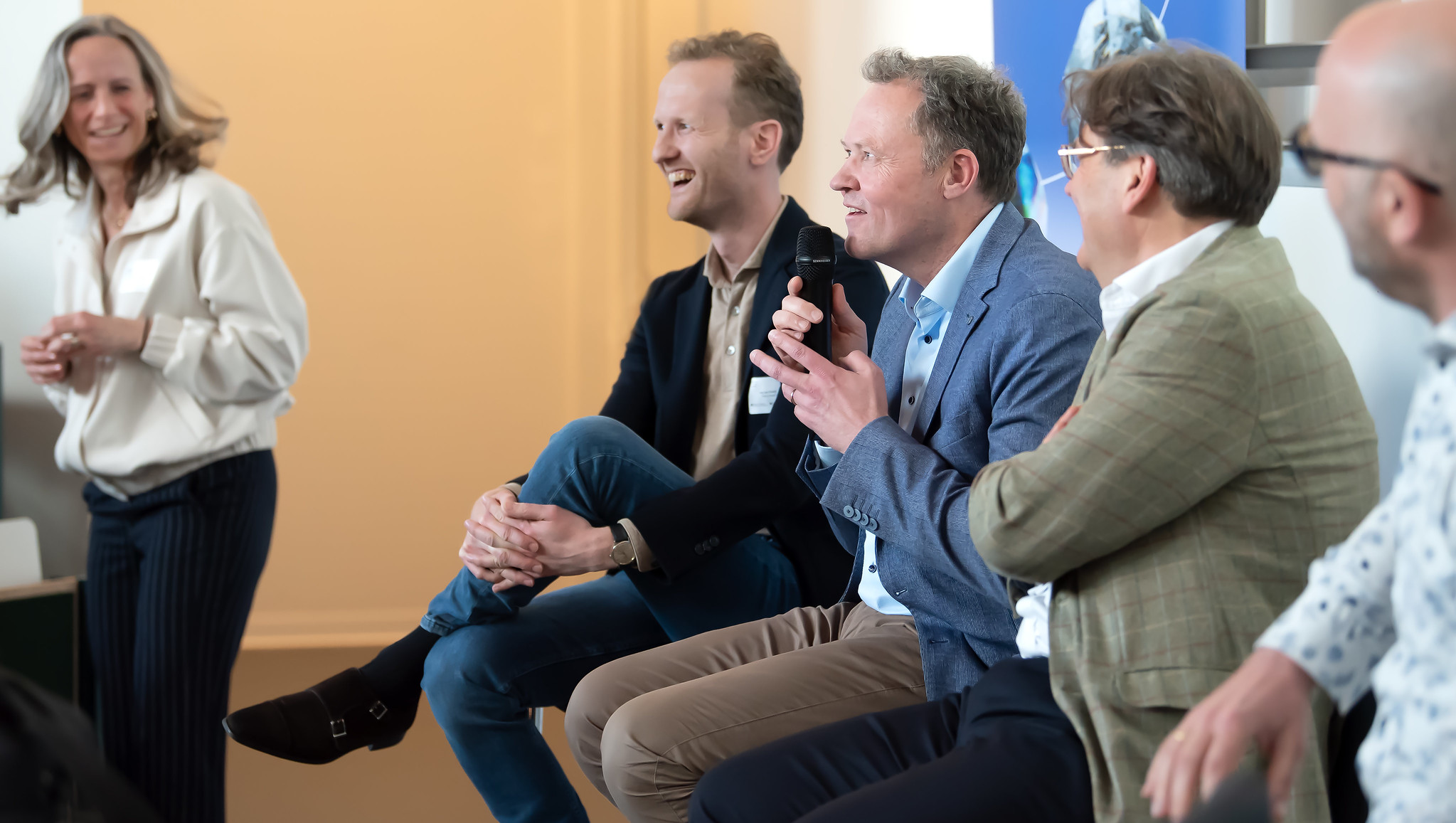
Powering the Transition: The Talent Challenge Behind Hydrogen
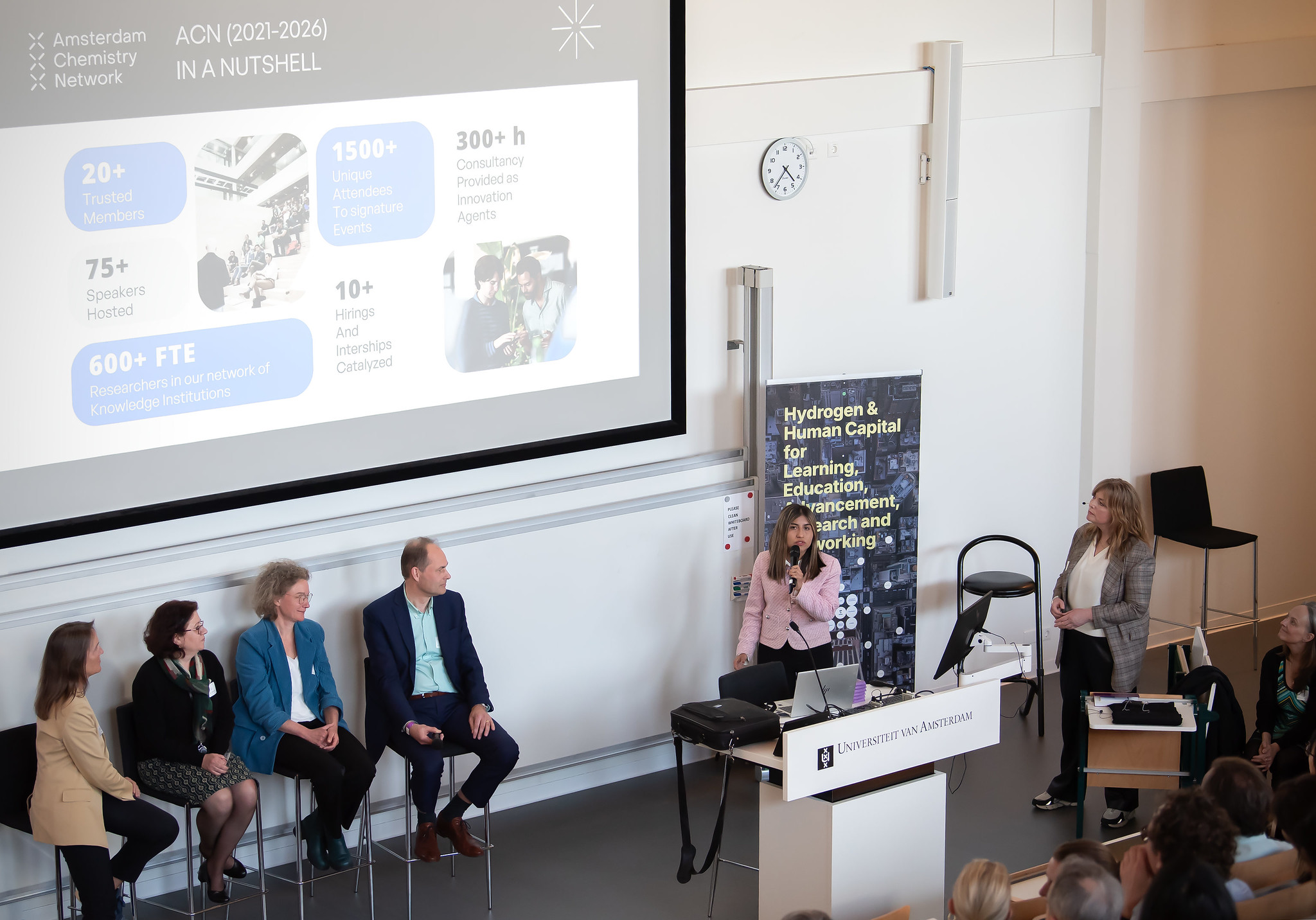
Another parallel session, The Talent Challenge Behind Hydrogen, focused on the human capital needed to build a sustainable hydrogen ecosystem. Central to the discussion was the H2LEARN initiative, a strong consortium dedicated to strengthening the learning and innovation capacity of the hydrogen ecosystem in North Holland and Utrecht over the next four years. The message was clear: building a green hydrogen economy requires more than technology—it demands collaboration across boundaries, between education and research, public and private sectors, and, most importantly, between people united by a shared mission.
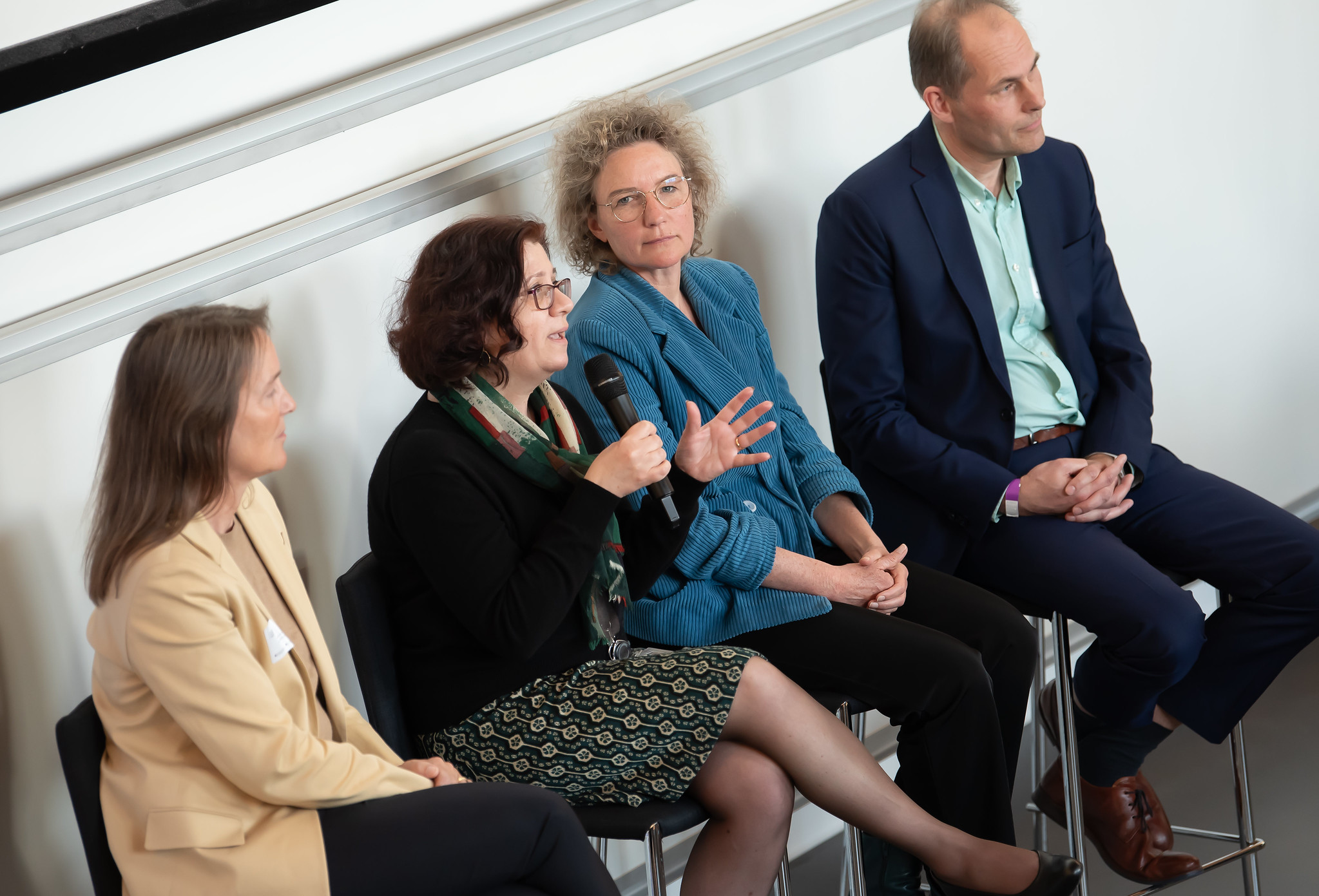
The conversation between Marsha Wagner (GVMNL), Ingrid Post (NZKG), Dr. Stefania Grecea (UvA), and Dr. Ellartde Wit (On2Quest), moderated by Esther Thole (KNCV), reinforced what this transition is truly about: developing talent alongside hydrogen innovation, building robust ecosystems, and accelerating together toward a green hydrogen future.
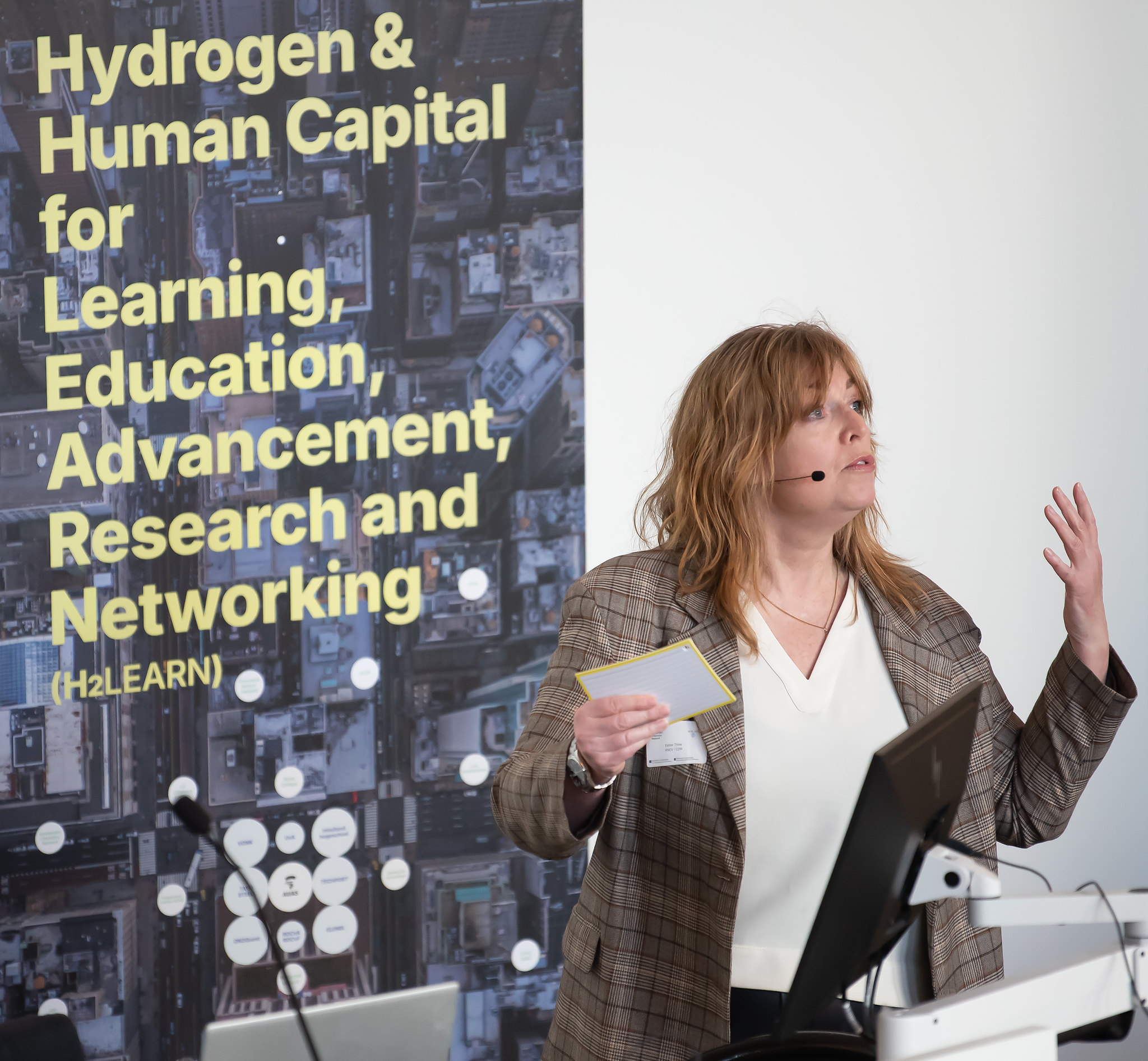
Amsterdam Microbiome Expertise Center (AMEC) Spotlight – Microbiome Innovation for Food & Health
The AMEC session brought together perspectives from academia, industry, and policy to explore how microbiome research is shaping food and health. New funding and networking opportunities within the Holomicrobiome initiative were introduced, with further details to be publishedby NWO. ACID also marked the public launch of AMEC, creating a platform for researchers in and beyond Amsterdam to collaborate on key challenges in food, health, and the environment.
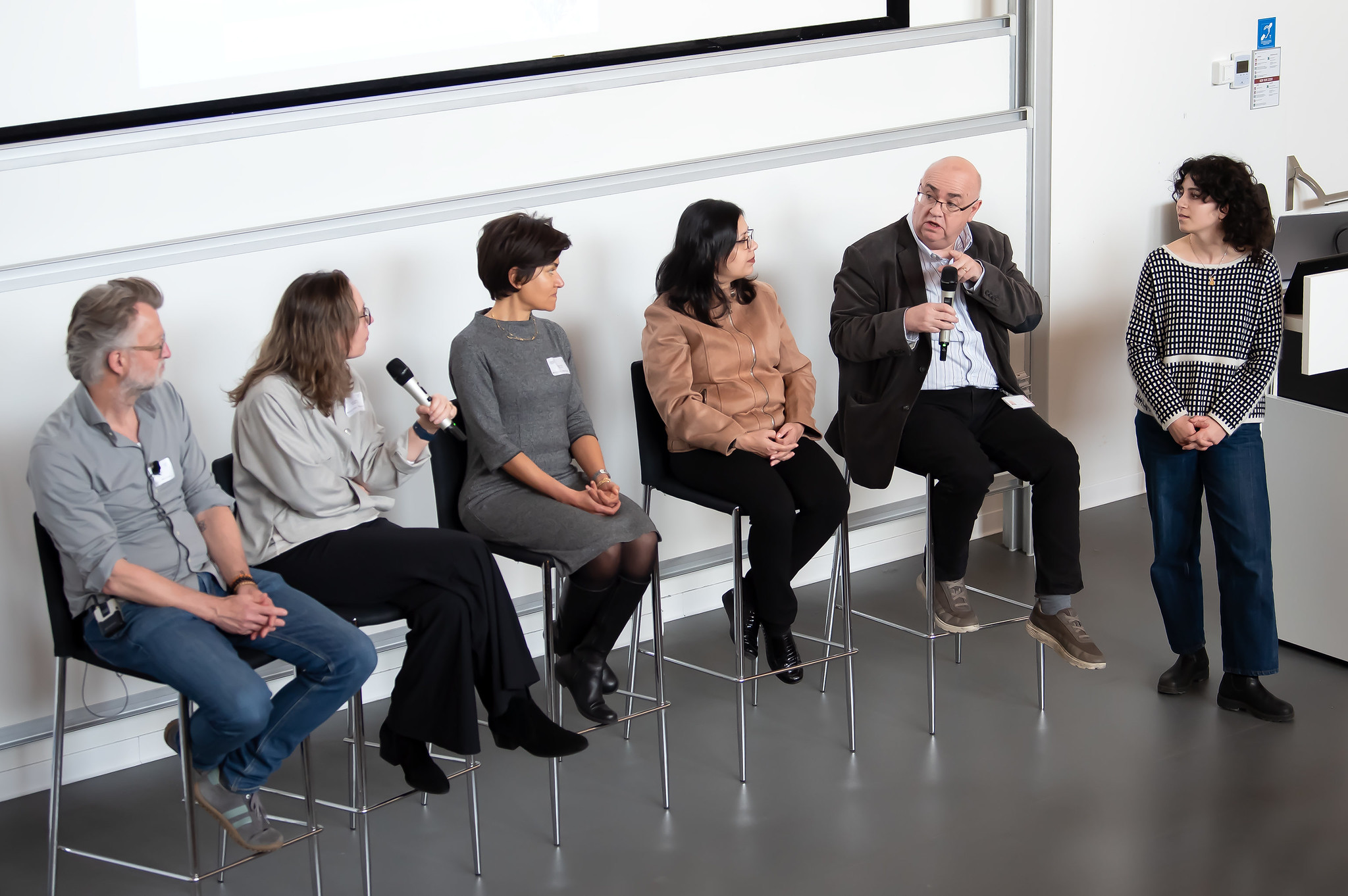
From Model to Medicine – Next-Generation Drug Development
How do we move from advanced models to real world therapies? This session explored exactly that, focusing on organoids and other complex in vitro systems. A key theme was the shift toward animal free drug development, enabled by iPSC derived and multicellular models that can capture complex physiology and toxicity. Looking ahead, AI models and digital twins are expected to further accelerate this transition, but addressing the lack of standardization across labs through automation and clear validation guidelines remains a critical bottleneck.
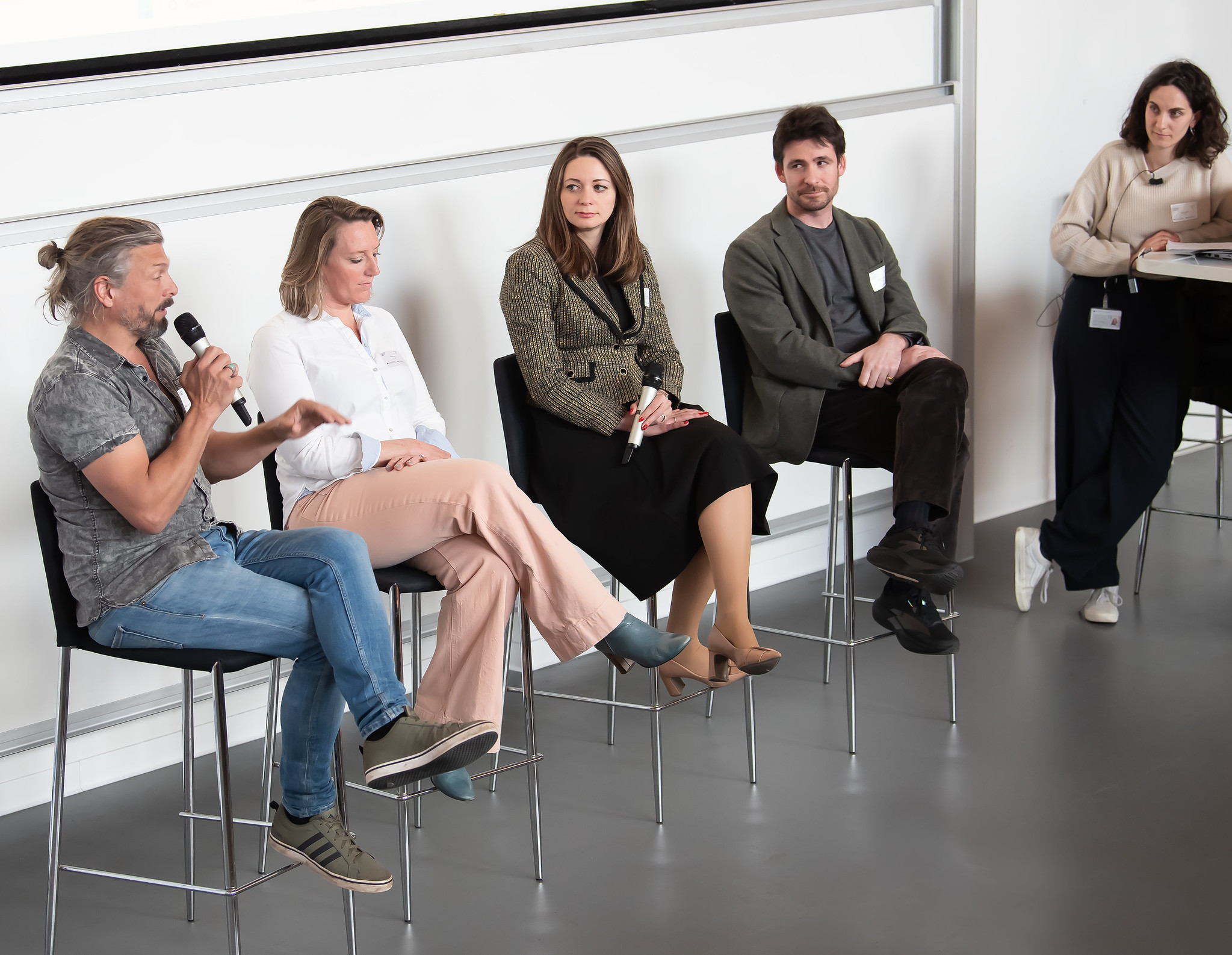
Entrepreneurship & Career Development Track
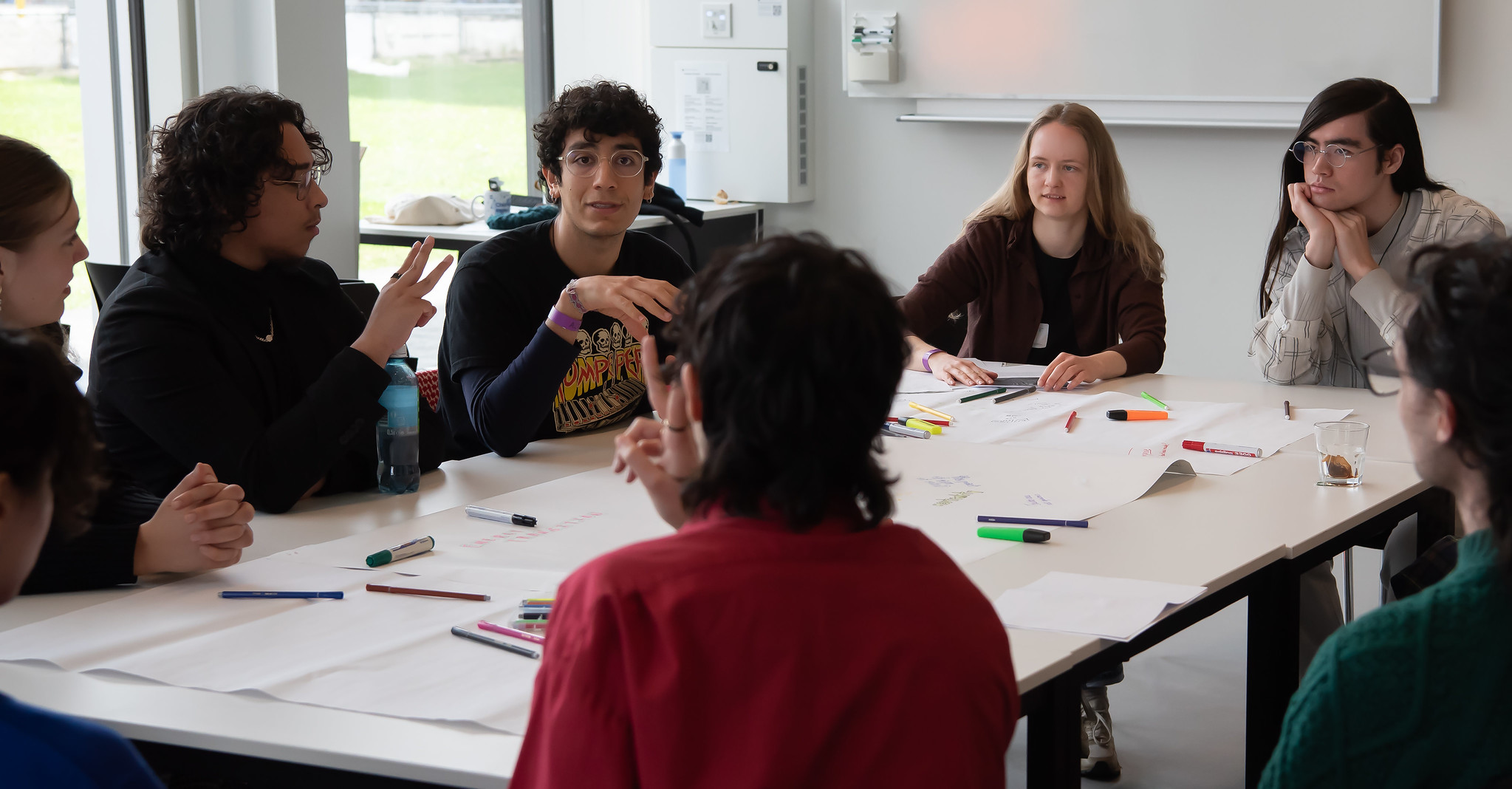
The day also offered valuable insights for those exploring careers beyond the lab. The entrepreneurship panel emphasized the importance of building the right team, particularly by bringing together complementary expertise across business, technical, and operational domains. For academic researchers interested in valorizing their ideas, engaging early with support systems such as technology transfer offices and initiatives like Biotech Booster was highlighted as an important step toward success.
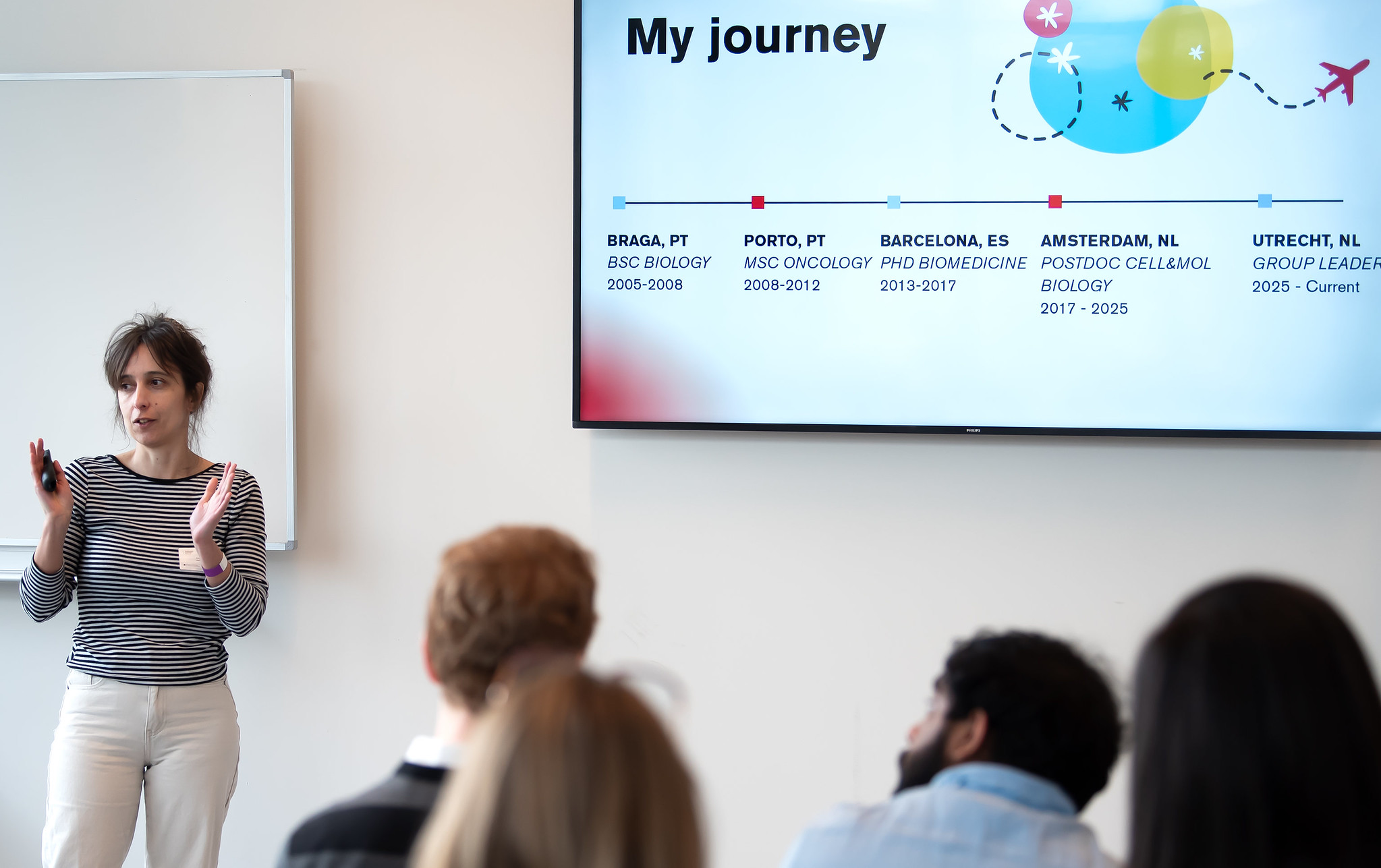
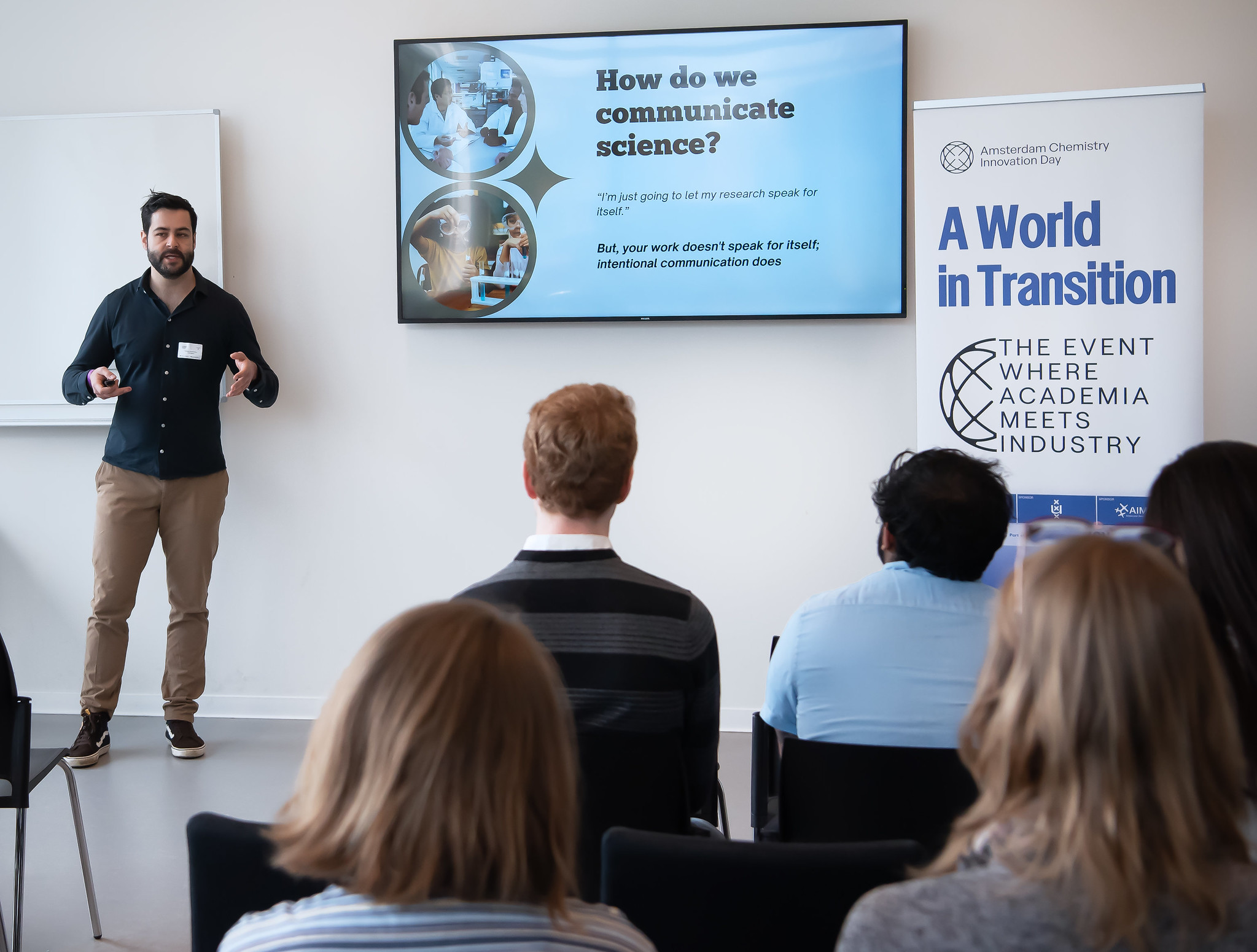
Complementing this, sessions on scientific communication and career transitions underscored the power of clear storytelling and making informed career choices. Key takeaways included identifying your audience when presenting your work, asking the right questions to evaluate potential work environments, and keeping communication simple and clear even when addressing highly specialized audiences.
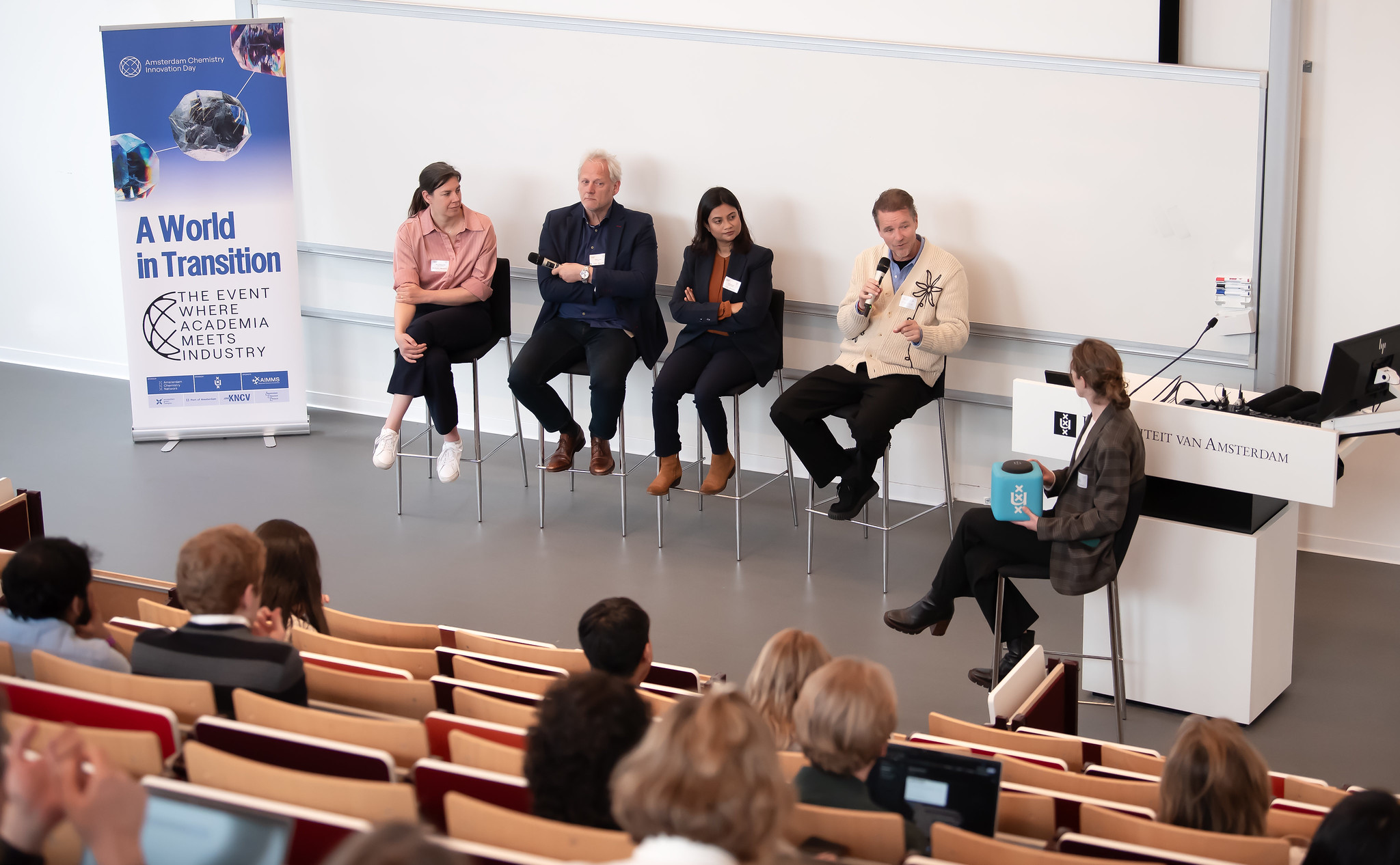
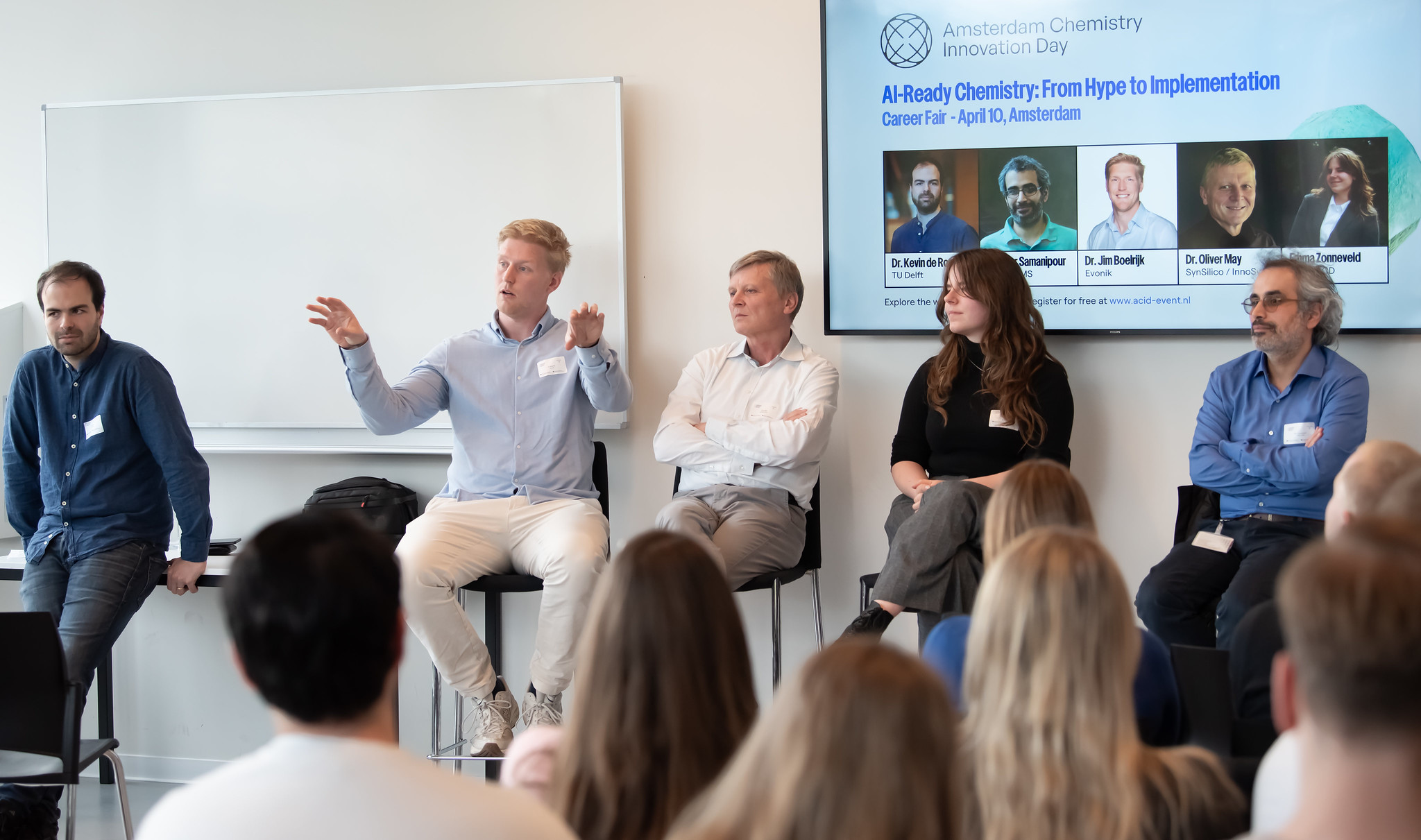
Another engaging panel focused on AI in chemistry, highlighting not only its expanding applications and potential, but also the urgent need to rethink education. Speakers emphasized that both professional training and university curricula must evolve to better integrate AI, ensuring that students and researchers are equipped with the skills required in a rapidly changing field. A key challenge discussed was the unprecedented speed of these developments—far outpacing traditional curriculum updates. The consensus was clear: to fully leverage AI in chemistry, education systems must become more agile, interdisciplinary, and closely connected to ongoing innovation.
Conclusion
The Amsterdam Chemistry Innovation Day once again demonstrated the strength and momentum of the community, bringing together science, industry, and talent in a truly meaningful way. A sincere thank you goes out to all organizers, the members of Amsterdam Chemistry Network, and the event’s sponsors for making this day possible: the UvA Institutes HIMS and SILS.
Photos by Monique Kooijmans.